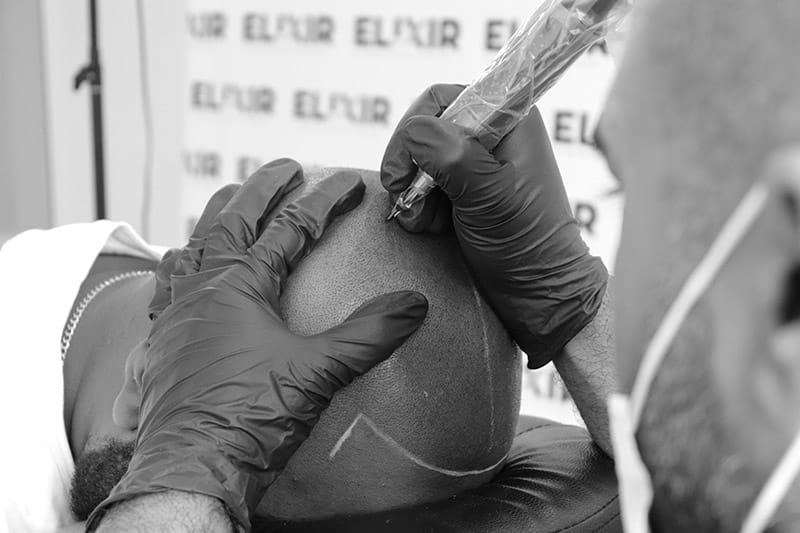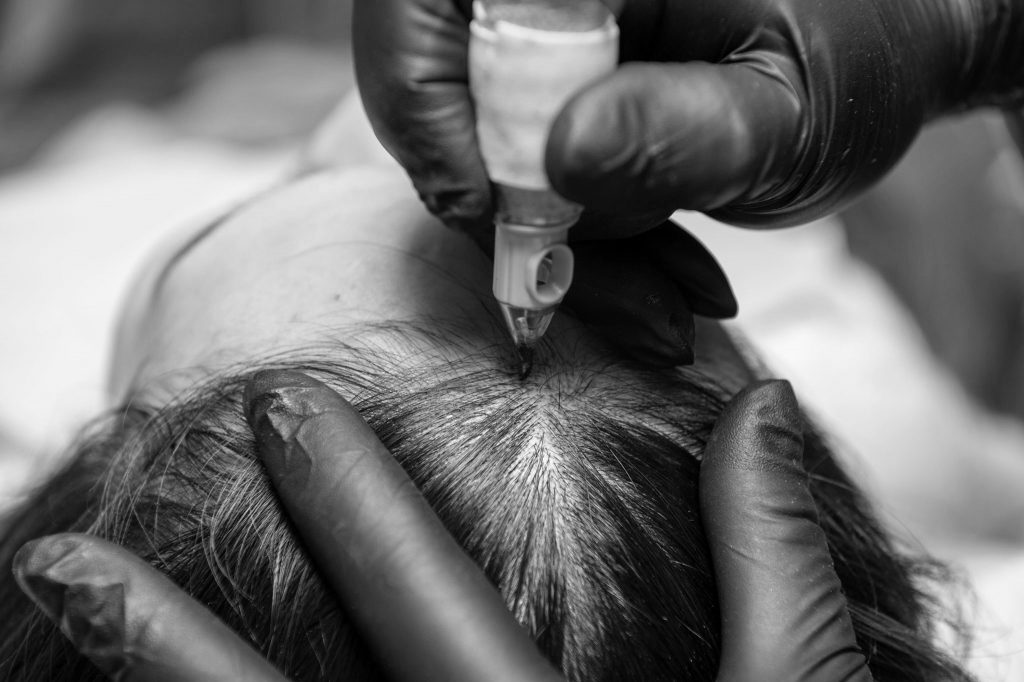
Female hair loss is far more common – and emotionally impactful – than most people realize. Yet, despite millions of women experiencing thinning or shedding, the conversation around effective, confidence-restoring solutions remains shrouded in stigma and misinformation. Today, scalp micropigmentation (SMP) is emerging as a powerful, non-surgical option for women seeking to reclaim their self-image. This post explores the realities of female hair loss, the science and artistry behind SMP, and why it’s time to break the silence and empower women with real solutions. The Hidden Epidemic: Understanding Female Hair Loss Hair loss in women is not a rare occurrence. Recent studies reveal that up to 40% of women experience noticeable hair loss by age 50, and the prevalence climbs even higher post-menopause, with some reports indicating rates above 50%. Contrary to outdated beliefs, women across all generations – Gen Z, Millennials, Gen X, and Baby Boomers – report more hair thinning and loss than their male counterparts. Why Is Female Hair Loss Overlooked? Societal stigma: Hair loss is often seen as a “male problem,” leaving women feeling isolated or ashamed. Underrepresentation in the industry: Despite women reporting higher rates of thinning, the hair loss market still disproportionately targets men, with over 60% of industry investment focused on male solutions. Emotional impact: For many women, hair is closely tied to identity and femininity, making hair loss a deeply personal and distressing experience. Common Causes of Hair Loss in Women Genetics: Female pattern hair loss (androgenetic alopecia) is the most common cause, often starting after age 40. Hormonal changes: Pregnancy, menopause, and thyroid disorders can trigger shedding. Stress: Emotional and physiological stress can cause telogen effluvium, a temporary but significant type of hair loss. Medical conditions: Autoimmune diseases, nutritional deficiencies, and certain medications can also play a role. The Emotional Toll: Why Stigma Persists The psychological impact of hair loss in women is profound. Studies show that women are 1.5 times more likely than men to report thinning hair and are more likely to experience stress, anxiety, and burnout as a result. The silence surrounding female hair loss often leads to: Low self-esteem and social withdrawal Reluctance to seek help or discuss solutions Increased vulnerability to misinformation and ineffective treatments It’s time to change the narrative and provide women with the knowledge and options they deserve. Exploring Solutions: What Really Works for Female Hair Loss? The landscape of hair restoration for women has evolved dramatically in recent years. Today, women have access to a spectrum of medical, non-surgical, and cosmetic solutions tailored to their unique needs. Medical Treatments Minoxidil (Rogaine): FDA-approved for women, minoxidil can stimulate new hair growth, but results vary and require ongoing use. Low-level laser therapy (LLLT): Shown to improve hair density in some women, especially when combined with other treatments. Platelet-rich plasma (PRP) therapy: Involves injecting concentrated platelets from your own blood into the scalp to stimulate follicles. Clinical trials suggest PRP can enhance hair density and thickness in women, with a favourable safety profile. Hormonal therapies: For menopausal or hormonally-driven hair loss, options like hormone replacement therapy or anti-androgens (e.g., spironolactone) may be considered. Surgical Options Hair transplantation: Advances in technique have made hair transplants a viable option for select women, particularly those with stable, localised thinning and sufficient donor hair. However, not all women are candidates, and the process can be costly and invasive. Cosmetic and Camouflage Solutions Wigs and toppers: High-quality hairpieces offer immediate coverage but may not suit everyone’s lifestyle or self-image. Topical fibers and sprays: Provide temporary concealment but can be messy or unreliable. The Rise of SMP: A Game-Changer for Women Scalp micropigmentation (SMP) is rapidly gaining recognition as a transformative, non-surgical solution for women experiencing hair thinning or pattern baldness. Unlike traditional tattooing, SMP uses specialised pigments and techniques to replicate the appearance of natural hair follicles, creating the illusion of density and fullness. How SMP Works Micro-needles deposit pigment into the scalp’s upper dermis, matching the client’s natural hair colour and skin tone. Custom patterns are designed to mimic the direction and density of natural hair growth. Results are immediate and can last several years with proper care. Benefits of SMP for Women Non-invasive: No surgery, scarring, or lengthy recovery. Immediate confidence boost: Results are visible after the first session. Customisable: Suitable for all hair types, skin tones, and degrees of thinning. Low maintenance: No daily application or special products required. Who Is SMP For? SMP is ideal for women who: Experience diffuse thinning or visible scalp through longer hair Have scarring alopecia or patchy hair loss Want to camouflage transplant scars or failed procedures Seek a natural-looking, low-maintenance solution Breaking the Stigma: Real Stories, Real Results At Elixir Pigmentation, we’ve witnessed firsthand the life-changing impact SMP can have on women. Clients often describe feeling “seen” and “empowered” for the first time in years. As awareness grows, more women are embracing SMP as a legitimate, confidence-restoring option. Why Are More Women Choosing SMP? Discreet and natural: SMP blends seamlessly with existing hair, making it virtually undetectable. Restores self-image: Many women report improved self-esteem and willingness to engage socially and professionally. Safe and effective: When performed by experienced practitioners, SMP offers predictable, satisfying results. What to Expect: The SMP Process for Women Choosing SMP is a personal decision. Here’s what the journey typically involves: 1. Consultation Assessment of hair loss pattern and goals Discussion of medical history and expectations Custom design plan tailored to your hair colour, style, and desired density 2. Treatment Sessions Multiple sessions (usually 2–4) spaced over several weeks Topical numbing for comfort Gradual layering of pigment for a natural, three-dimensional effect 3. Aftercare and Maintenance Minimal downtime – most clients return to normal activities within a day Simple aftercare: Avoid heavy sweating and sun exposure for a few days Touch-ups: Results can last 3–5 years, with occasional touch-ups to maintain vibrancy Addressing Common Questions and Concerns Is SMP Painful? Most clients report only mild discomfort, similar to light scratching. Topical anesthetics are used to maximise comfort. Will SMP Damage My Hair? No. SMP is a superficial procedure that does not […]
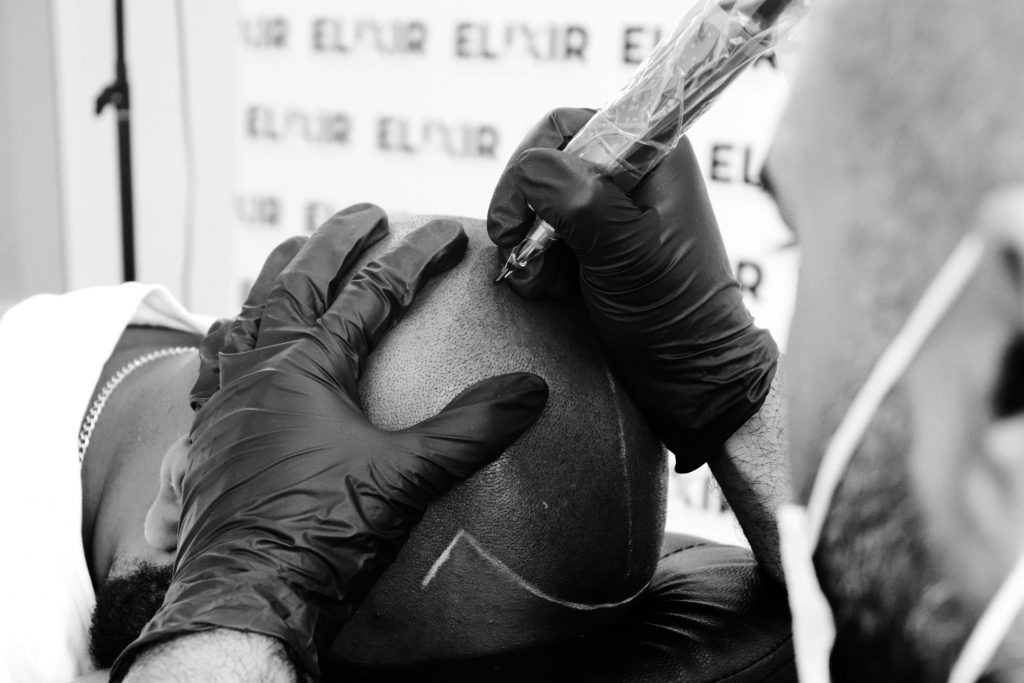
Hair loss can be a deeply personal challenge, affecting confidence and self-image for men and women alike. With modern advancements, two of the most sought-after solutions are Scalp Micropigmentation (SMP) and hair transplant surgery. But which option is right for you? In this comprehensive guide, we’ll break down the differences, benefits, limitations, and key considerations-so you can make an informed decision tailored to your needs. Understanding the Basics: What Are SMP and Hair Transplants? What Is Scalp Micropigmentation (SMP)? Scalp Micropigmentation is a non-surgical cosmetic procedure that uses micro-needles to deposit pigment into the scalp, creating the appearance of tiny hair follicles. The result is the illusion of a fuller head of hair or a closely-shaved scalp. SMP is suitable for all stages of hair loss and can be used to enhance hair transplant results, camouflage scars, or add density to thinning areas. Key features of SMP: Non-invasive, no surgery or incisions Immediate visual results Minimal downtime Suitable for all skin types and hair colours What Is a Hair Transplant? A hair transplant is a surgical procedure that moves hair follicles from a donor area (usually the back or sides of the scalp) to thinning or balding areas. The two main techniques are FUE (Follicular Unit Extraction) and FUT (Follicular Unit Transplantation). Over time, the transplanted hair grows naturally, blending with your existing hair. Key features of hair transplants: Surgical, requires local anesthesia Permanent, natural hair growth Results improve over 12–18 months Best for those with sufficient donor hair How Do SMP and Hair Transplants Work? The SMP Process Consultation: Assess scalp, discuss goals, select pigment shade. Session(s): Micro-needles implant pigment dots in the scalp, mimicking hair follicles. Aftercare: Mild redness for 1–2 days; avoid heavy sweating or washing for a few days. Results: Immediate, with optimal appearance after 2–3 sessions. The Hair Transplant Process Consultation: Evaluate hair loss pattern, donor area, and expectations. Surgery: Hair follicles are harvested and implanted into thinning areas. Recovery: Initial healing in 7–10 days; transplanted hair sheds in 2–4 weeks (normal “shock loss” phase). Growth: New hair begins to grow at 3–4 months, with full results in 12–18 months. Comparing SMP and Hair Transplants: Pros, Cons, and Suitability Feature Scalp Micropigmentation (SMP) Hair Transplant Surgery Invasiveness Non-surgical, minimal discomfort Surgical, requires anesthesia Downtime 1–2 days 7–10 days for initial healing Results Timeline Immediate, improves over 2–3 sessions 3–4 months for new growth, 12–18 months full Longevity 4–6 years before touch-up needed Permanent, but may need more sessions if hair loss progresses Natural Hair Growth No (visual illusion only) Yes (your own hair grows naturally) Scar Camouflage Excellent for scars, including FUT scars Can leave small scars (FUE: dot scars, FUT: linear scar) Cost Lower upfront cost Higher upfront cost, but permanent Maintenance Occasional touch-ups Minimal, normal hair care Ideal Candidates Any stage of hair loss, including alopecia Those with sufficient donor hair, stable hair loss Who Is SMP Best For? Men and women with advanced hair loss (including those not suitable for transplants) People with alopecia areata or totalis Those who want a shaved or buzzed look Individuals with scalp scars from previous surgeries or injuries Anyone seeking a non-surgical, low-maintenance solution Who Is a Hair Transplant Best For? Men and women with localised thinning or balding People with sufficient donor hair at the back/sides of the scalp Those seeking permanent, natural hair growth Patients willing to undergo surgery and wait for gradual results Recovery and Aftercare: What to Expect SMP Recovery Mild redness or sensitivity for 24–48 hours Avoid heavy sweating, swimming, or washing scalp for 3–5 days No stitches, bandages, or downtime from work Results visible immediately, with optimal appearance after 2–3 sessions Hair Transplant Recovery Initial healing: 7–10 days (scabbing, swelling, mild discomfort) Shedding phase: 2–4 weeks (“shock loss” is normal) New hair growth: 3–4 months post-surgery Full results: 12–18 months Avoid strenuous activity, sun exposure, and swimming for 2–3 weeks Follow surgeon’s aftercare instructions for best results Risks and Side Effects SMP Risks Mild redness, swelling, or itching Rare allergic reaction to pigment Fading or colour change over time (requires touch-ups) Infection risk minimized with proper hygiene and professional care Hair Transplant Risks Swelling, bruising, or discomfort at donor/recipient sites Infection or scarring (rare with experienced surgeons) Unnatural appearance if not performed by a skilled specialist “Shock loss” (temporary shedding of transplanted/native hair) Uneven growth or need for additional sessions Cost Comparison: SMP vs Hair Transplant SMP: Typically ranges from $1,500 to $4,000, depending on the extent of coverage and number of sessions. Hair Transplant: Ranges from $5,000 to $15,000+ based on graft count, clinic, and surgeon expertise. Long-term value: SMP may require touch-ups every 4–6 years, while hair transplants are generally permanent but may need additional sessions if hair loss progresses. Realistic Expectations: What Results Can You Achieve? SMP Results Creates the look of a full, closely-shaved scalp or adds density to thinning hair Does not restore actual hair growth Highly effective for camouflaging scars and diffuse thinning Hair Transplant Results Restores natural hair growth in transplanted areas Hair can be cut, styled, and treated like normal hair Results depend on donor hair quality, extent of hair loss, and surgeon skill Combining SMP and Hair Transplants Many clients choose to combine SMP with hair transplants for optimal results. SMP can: Enhance the appearance of density after a transplant Camouflage scars from FUT or FUE procedures Provide coverage in areas where transplant is not possible due to limited donor hair Frequently Asked Questions Is SMP permanent? SMP is considered semi-permanent. Results typically last 4–6 years before a touch-up is needed, depending on skin type, sun exposure, and aftercare. Will a hair transplant stop future hair loss? No. A hair transplant moves existing hair to new areas, but it does not prevent further hair loss in untreated areas. Ongoing hair loss may require additional procedures or medical treatments. Does SMP look natural? When performed by a skilled practitioner, SMP looks very natural-even up close. The pigment is matched to your skin tone and existing hair colour for a seamless effect. Can I return to work after SMP or a hair […]
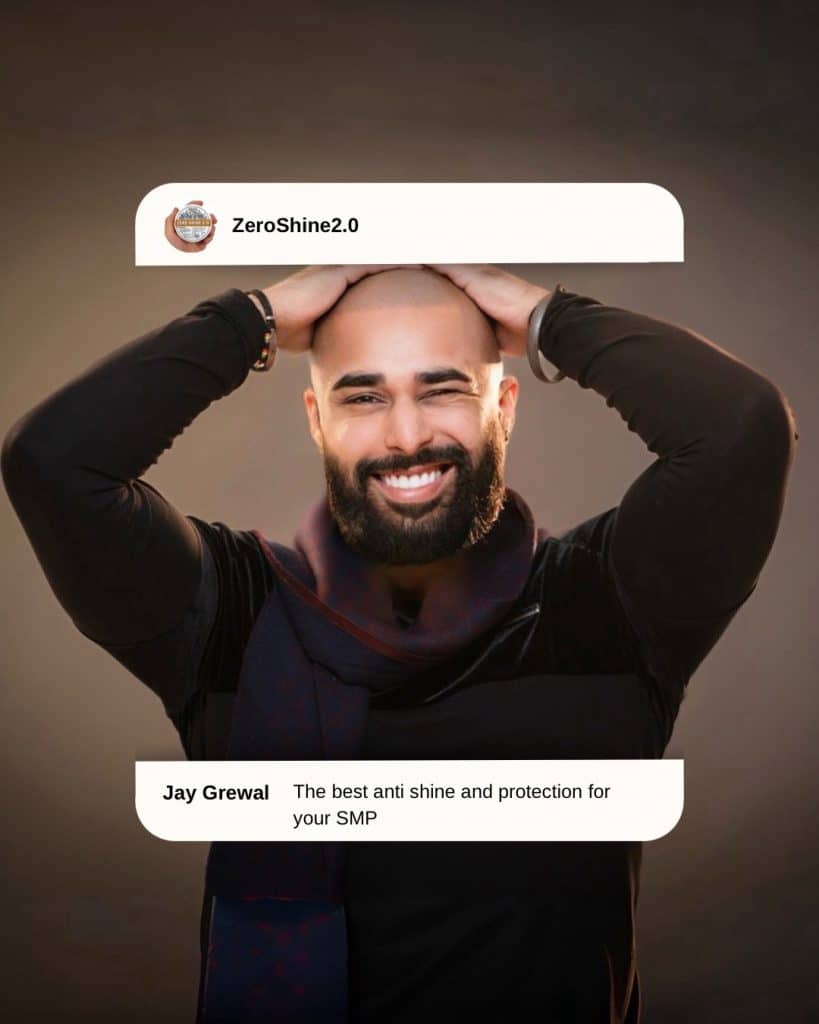
If you’re bald and proud—but tired of that constant head shine—Zero Shine 2.0 is built for you. It’s more than just an anti-shine moisturizer. It’s skincare made specifically for bald heads, especially those with Scalp Micropigmentation (SMP). Why Bald Heads Need Specialized Moisturizer Your scalp is skin, but not just any skin. It’s exposed 24/7 to sun, pollution, and sweat. Without hair to block UV rays or soak up oil, your dome is front and center—and it shines. A regular face lotion won’t cut it. If you’ve had SMP, the stakes are even higher. You need to protect your SMP from fading while keeping your scalp looking clean, not greasy. What Makes Zero Shine 2.0 Different? Zero Shine 2.0 isn’t a generic moisturizer with a catchy label. It’s designed specifically for bald guys who want to stay matte, hydrated, and protected. Here’s what sets it apart: Matte Finish: No grease, no glow. Just smooth, clean skin. Zero Shine SPF: Built-in sun protection that won’t make your head look oily. Non-comedogenic: Won’t clog pores or cause breakouts. Hydration Without the Gloss: Keeps your scalp soft without that waxed-floor look. Protect Your SMP Investment Scalp Micropigmentation isn’t cheap. The last thing you want is sun damage fading your results. Zero Shine SPF helps block harmful UV rays without smearing or sweating off. Daily use means your SMP stays sharp and your skin stays healthy. Real-World Tested Whether you’re at the gym, on the job, or out in the sun all day, Zero Shine 2.0 holds up. No midday shine. No melting off. Just a reliable, anti-shine moisturizer that does what it says. Final Word: Is Zero Shine 2.0 the Best Moisturizer for SMP? Short answer: Yes. Long answer: It checks every box—hydration, SPF, matte finish, and protection for your SMP. If you’re bald and serious about your look, this should already be in your daily routine.
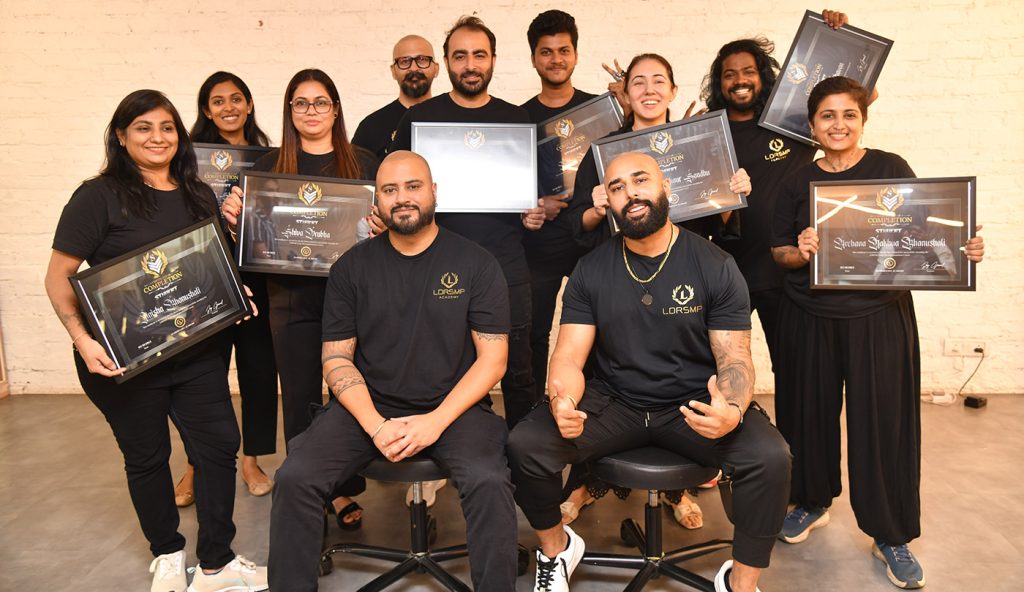
Globe Trotter As a well accomplished and recently awarded, with the Best SMP Artist- UK/Europe- Bronze award, Jay Grewal now has his sights set on his next global venture. Recently ELIXIR visited India, creating a huge hype and making history throughout, his time out there. After his recent success at the Meeting of the Minds 2023, Jay is even more determined to make SMP as well known as it can be worldwide. With SMP on the rise as the most effective and efficient hair loss solution, ELIXIR is well on their way to becoming a house hold name within the industry. Mumbai Here We Come! After many successful trips and training classes in Dubai, ELIXIR was excited to take SMP to Chandigarh and Mumbai. As mainstream and well known SMP is, Mumbai has never had an SMP artist of this caliber visit there before, the turnout was nothing of amazing and humbling. Being in the heart of India, amongst the hustle and bustle of Mumbai, Jay was able to teach around 15 students, with most of them starting their own SMP business soon after. SMP in India was a huge success as many individuals believe that this procedure is fast on the rise. The best SMP started in the UK and fast became well recognised. SMP at ELIXIR has also been recognised around the world with Jay being invited to places such as Dubai, Canada, Mumbai and Chandigarh. SMP in India is now fast on the rise thanks to Jay at ELIXIR, with history being created on his most recent trip. SMP in INDIA After training a number of students mainly in Dubai, with some of them having a successful SMP business’s today. After holding their first ever training class in Mumbai, Jay trained a circa of 15 students with whom he is also in touch with on a regular basis. Not only does Jay at ELIXIR hold the initial classes he takes get pride in offering mentorship with all of his students, in helping them become the best in SMP. Not only is Jay at ELIXIR fantastic at his craft and one of the best in SMP within the UK/Europe, he is also a master at training individuals from all across the world and ensuring that theya re set up in conquering this amazing and striving industry.
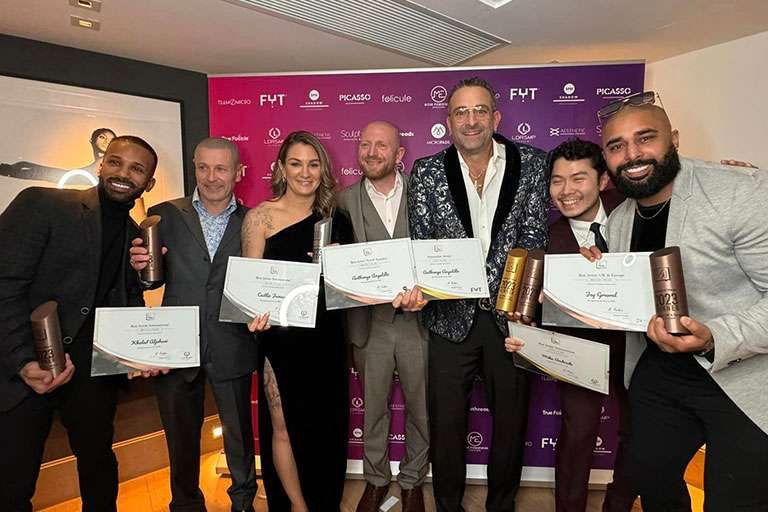
Following a successful circa 8 years within the industry Jay Grewal at ELIXIR was awarded the Best SMP Artist within the UK/Europe- Bronze, at the most recent Meeting of the Minds Awards 2023. Seeing as UK is the birth place of SMP and a very competitive market, this accolade means that much more, to Jay Grewal. Meeting of the minds is the official SMP conference and award ceremony, which brings the biggest SMP artists altogether from all over the world. Theres nothing bigger for an SMP artist then the Meeting of the Minds conference and awards show. Bring on next year! Jay Grewal at ELIXIR was recognized and acknowledged as one of the best and brightest artists within the whole of the UK/Europe. Not only being awarded for his artistic flair he was awarded this accreditation based on being a high quality innovator and educator within the SMP industry.
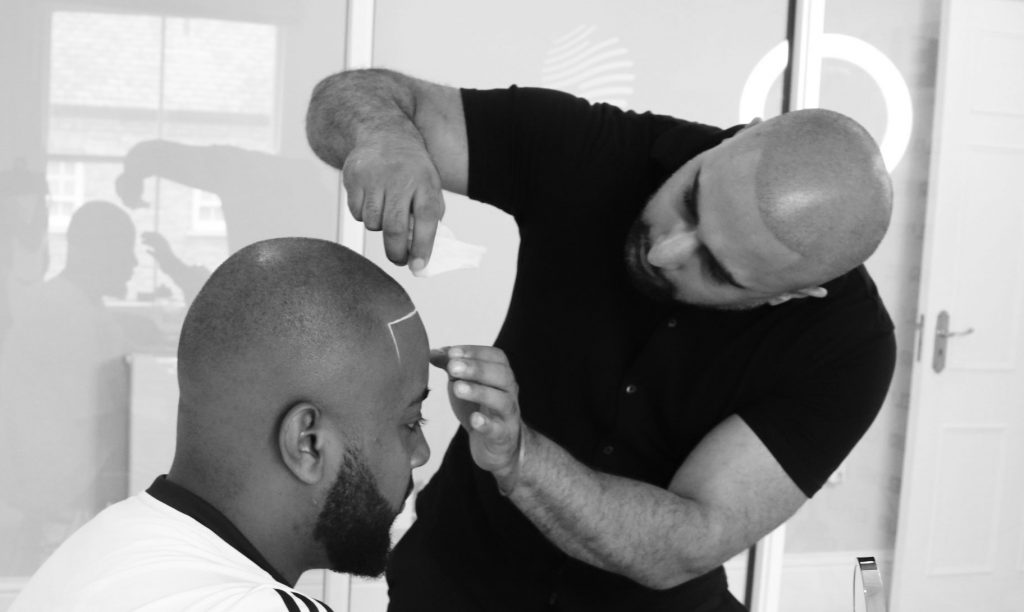
Scalp Micropigmentation (SMP) is a cosmetic grade medical treatment for thinning hair or hair loss. It is often commonly referred to as a hair tattoo. At Elixir we are here to help you distinguish the difference between a scalp tattoo and scalp micropigmentation. At Elixir our practitioners use very thin small needles to deposit tiny dots of pigment colour on the scalp, thus giving the illusion of tiny hair follicles. A tattoo artist may on the other hand use slightly thicker needles to penetrate the skin deeper. We often get asked if scalp micropigmentation is a cosmetic hair tattoo or a hairline tattoo however; we always point out that these procedures are different. Scalp Micropigmentation is a procedure which only enters the first layer of your skin unlike a conventional tattoo, which is permanent. Although scalp micropigmentation can fall under a cosmetic tattoo procedure however; it is important to understand that it is not a cosmetic, hairline or scalp tattoo. It is a semi-permanent hair loss solution, which usually requires a top up every 3-4 years. Unlike a cosmetic tattoo, SMP only penetrates the first layer, dermis layer of your skin. Whereas a tattoo needle penetrates 5 layers of the epidermis.
Scalp Micropigmentation is a semi-permanent hair tattoo and is a non-surgical, cosmetic procedure that gives the illusion of a buzz cut hairstyle on a bald head or density to a thinning crown. Here at Elixir we immensely focus on highlighting the SMP benefits that our procedures bring to our clients. Scalp Micropigmentation aids hair loss in both men and women assisting individuals in their hair loss journey. SMP for women helps vastly as it is effective when providing females with density within areas, which are looking thin and sparse. SMP benefits women as the tiny dots emulates hair follicles that gives a natural look of fuller hair from afar. SMP in men is hugely popular as it provides our male clients with that illusion of a shaved head, which for our male clients is the most viable option, when it comes to accepting their hair loss. SMP benefits men as it provides them the opportunity to design their own hairline, which already assists in boosting their confidence and the profiles of the hairline. Scalp Micropigmentation benefits men with providing density within the crown hair where we at Elixir can add that stubble effect and overall density. This is added within the clients existing hair. SMP is fast becoming the number one hair loss solution as it is a non-invasive procedure which requires zero down time, with the client free to carry on as normal straight after the procedure. We do however; provide after care instructions. SMP would benefit anyone who is looking for a non-surgical hair loss procedure, which looks hyper realistic and completely natural.
What is hair loss in women? Hair loss within women is when females experience unexpected and heavy loss of hair. On average as humans, we shed anywhere between 50-100 single hairs per day. This is known as hair shedding, which is a part of natural balance in which, some hairs fall out whilst the others are growing. Hair loss occurs more when there is an in-balance, with Alopecia being known as the correct medical term. How common is hair loss in women? There are many who think that only men are affected by hair loss however; this could not be further from the truth. It is estimated that more than 50% of women will experience noticeable hair loss throughout their lifetime. The most substantial cause of hair loss in women is ‘female pattern hair loss (FPHL),’ which affects about one third of vulnerable women. What causes hair loss in women? There are a variety of reasons which could be the causes of permanent or temporary hair loss. The most common causes could be a type of medication, menopause, thyroid problems, and hormonal changes- especially during pregnancy. Being on certain medication can often trigger hair loss in women, due to the side effects of the medication. Another factor of hair loss within women can be caused by severe stress or a traumatic/stressful occurrence in their lives however; this hair loss can be temporary. As well as the internal factors listed above one main reason for hair loss could also be the general upkeep of the hair. At Elixir one of the main procedures that females come in for is for their thinning side profiles and receding hair line. This is referred to as ‘Traction Alopecia,’ where the hair has been constantly pulled back over the years, which has resulted in some of the hairs breaking, thus leaving the area looking very thin. What is Scalp Micropigmentation? Scalp micropigmentation is a semi-permanent procedure where tiny impressions, implanted by pigment is deposited within the hairline. This procedure is the go-to procedure for females who suffer from female pattern hair loss, adding density thus camouflaging the affected area of hair loss and thinning hair. How can SMP help female pattern hair loss? The first thing that we at Elixir would like to point out is that SMP works great for women with long hair and does not damage the hair at all. Although SMP was initially created for use on men with bald heads, today it has many benefits for our female clients also. Scalp Micropigmentation can be used to cover and conceal any thinning areas and/or any noticeable bald spots, making it useful for female patten hair loss clients. SMP is also used on receding hairlines, to give that natural, dense and fuller appearance of hair. In addition, when working on thinning hair, by using a darker pigment shade, slightly darker than the natural hair shade will make the hair look thicker. Will the SMP damage my long hair or scalp? When dealing with our female clients with long hair we are often asked the above question? The quick and simple answer is no, SMP will not damage your hair or scalp. SMP only focuses on the scalp, as we at Elixir are trained to work closely around the hair follicle, so that the needle does not touch the hair follicle at all. Another important point that we like to advise our clients of is that the needle used during the procedure is very short and only penetrates the skin at a shallow depth of 2mm, meaning that the procedure will not affect any new hair growth in the future. Here at Elixir we take pride on knowing that our customers SMP journey needs to be comfortable from start to finish. We are happy to answer any questions from consultations right up until the procedure is complete (even after that). If you have any questions then lease do get in touch here and we will be happy to assist.
Is SMP allowed in Islam? Scalp Micropigmentation is a procedure which treats an area (of ailment) and does not modify the body. Some clients have a strong belief that changing the creation of Allah, is considered haram. This would be the case when opting for a traditional tattoo, as this would change the body and thus being haram, within Islam. In 2016, a ruling from the European Council for Fatwa & Research, which is a legal ruling granted by a qualified jurist permitted SMP under Islamic Law. An individual suffering from baldness is no short of someone suffering from any other ailment, which is acceptable and permitted to be treated within Islamic Law. Undergoing a scalp micropigmentation procedure is no different to someone treating burns on the skin. Here at Elixir we have had the honour of treating a number of clients that follow Islam and have questioned, if the procedure is haram, from all over the world. Having had a vast number of clients from the middle east, we feel confident enough to say that SMP is allowed within Islam. In addition to the above, an SMP treatment is also only temporary, with top-up’s being required at regularly occurring intervals, typically every 2-3 years. With that in mind the short-lived impact of this procedure only reinforces the above ruling that SMP is not considered as being haram. Scalp Micropigmentation is a non-evasive and non-surgical hair loss solution, benefitting both men and women, who suffer from hair loss, baldness and/or a receding hair line. For a lot of our customers, at Elixir it has restored their confidence in the way that they look and feel. By doing an SMP procedure you can achieve that effortless confidence with your hair and SMP result. To learn more why not book a FREE consultation with us or sign up to one of our training courses (Beginners and Advanced) to gain more knowledge.
- 1
- 2